
Introduction to Storage Tanks
Storage tanks are essential equipment used in many industries for storing liquids, chemicals, gases, and other materials safely. These tanks are designed to hold large quantities of substances while maintaining proper safety and operational efficiency. From water storage to chemical processing and petroleum storage, storage tanks play a critical role in industrial operations.
Industries such as oil and gas, chemical manufacturing, food processing, water treatment, and pharmaceuticals depend heavily on storage tanks to manage raw materials and finished products. A well-designed storage tank ensures safe containment, prevents leakage, and protects the stored materials from contamination.
Modern storage tanks are engineered using strong materials and advanced fabrication techniques to ensure durability and long service life. With proper design and manufacturing, storage tanks provide reliable solutions for industrial storage needs.
What is a Storage Tank?
A storage tank is a large container used for storing liquids, gases, or bulk materials in industrial, commercial, or agricultural environments. These tanks are manufactured in different shapes, sizes, and materials depending on the type of substance being stored.
Storage tanks are designed to withstand environmental conditions, temperature variations, and internal pressure while ensuring safe containment of materials. They are commonly installed in industrial facilities, manufacturing plants, refineries, and storage terminals.
Proper design and fabrication are essential to ensure the safety and efficiency of storage tanks, especially when storing hazardous or corrosive materials.
Importance of Storage Tanks in Industrial Operations
Storage tanks are a fundamental part of industrial infrastructure. They allow industries to store large quantities of materials safely and efficiently.
Some of the key benefits of storage tanks include:
Safe storage of liquids and chemicals
Efficient material management
Prevention of leakage and contamination
Support for continuous industrial operations
Improved supply chain management
Without reliable storage tanks, industries would face major challenges in handling and storing essential materials.
Types of Storage Tanks
Different types of storage tanks are used depending on the materials stored and operating conditions.
Atmospheric Storage Tanks
Atmospheric tanks are designed to store liquids at normal atmospheric pressure. These tanks are commonly used for water storage, fuel storage, and chemical storage.
Vertical Storage Tanks
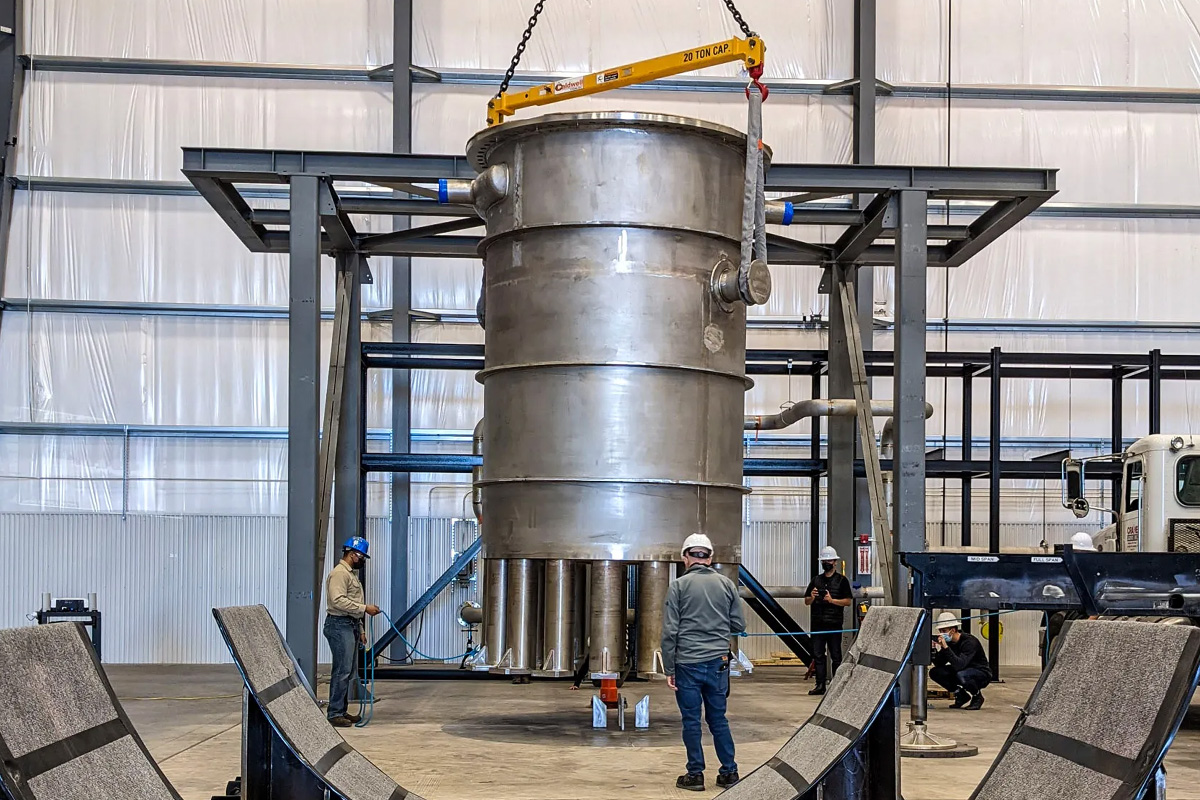
Vertical tanks are cylindrical tanks installed in an upright position. They are commonly used in large industrial facilities where high storage capacity is required.
Horizontal Storage Tanks
Horizontal tanks are placed horizontally and are typically used where height limitations exist or where specific installation requirements are needed.
Underground Storage Tanks
Underground tanks are installed below ground level to store fuels and other materials safely while saving surface space.
Double Wall Storage Tanks
Double wall tanks provide additional safety by having two layers of protection to prevent leakage and environmental contamination.
Materials Used in Storage Tank Manufacturing
The materials used in tank construction determine the strength, durability, and performance of the storage tank.
Carbon Steel
Carbon steel tanks are widely used due to their strength and cost effectiveness.
Stainless Steel
Stainless steel tanks offer excellent corrosion resistance and are commonly used in food processing, pharmaceutical, and chemical industries.
Alloy Steel
Alloy steel tanks are designed for high-temperature and high-pressure storage environments.
Plastic and Composite Materials
Some tanks are made from specialized plastic materials for storing certain chemicals that may react with metal surfaces.
Choosing the correct material is essential for ensuring safe and reliable storage.
Storage Tank Manufacturing Process
The fabrication of storage tanks involves several engineering and manufacturing stages.
Engineering Design
Engineers design the storage tank based on capacity requirements, operating conditions, and safety standards.
Material Preparation
High-quality metal plates are selected and prepared for fabrication.
Plate Rolling and Shaping
Metal plates are rolled into cylindrical shapes to form the tank body.
Welding and Assembly
Advanced welding techniques are used to assemble the tank components and ensure leak-proof construction.
Surface Treatment
Protective coatings are applied to prevent corrosion and extend the life of the tank.
Inspection and Testing
Each storage tank undergoes quality inspection and testing procedures to ensure structural integrity and safety.
Applications of Storage Tanks
Storage tanks are used in many industries for storing a wide variety of materials.
Oil and Gas Industry
Storage tanks are used for storing crude oil, petroleum products, and fuel.
Chemical Industry
Chemical plants use tanks to store raw materials, solvents, and finished chemical products.
Water Treatment Plants
Water storage tanks are used to store treated water and wastewater.
Food and Beverage Industry
Food-grade tanks are used to store liquids such as milk, juices, edible oils, and beverages.
Pharmaceutical Industry
Pharmaceutical companies use storage tanks for storing liquid chemicals and ingredients used in manufacturing medicines.
Benefits of High Quality Storage Tanks
Using high-quality storage tanks provides several operational advantages.
Improved storage safety
Long equipment lifespan
Reduced risk of leakage
Better material protection
Compliance with industrial safety standards
High-quality tanks also help industries maintain efficient production processes and minimize operational risks.
Maintenance of Storage Tanks
Regular maintenance is necessary to ensure safe and efficient tank operation.
Maintenance activities include:
Routine inspection for corrosion or damage
Cleaning to remove deposits and contaminants
Monitoring tank pressure and temperature
Checking valves, fittings, and safety systems
Proper maintenance extends the life of storage tanks and ensures reliable performance.
Future Trends in Storage Tank Technology
Advancements in engineering and materials are improving the performance of storage tanks.
Modern innovations include:
Corrosion-resistant materials
Advanced welding technologies
Smart monitoring systems
Improved environmental safety designs
These developments help industries improve storage efficiency and maintain high safety standards.
Conclusion
Storage tanks are an essential component of industrial operations, providing safe and efficient solutions for storing liquids, gases, and bulk materials. Their design and fabrication require advanced engineering expertise, high-quality materials, and strict quality control procedures.
Industries rely on well-designed storage tanks to maintain operational efficiency, protect stored materials, and ensure safe working environments. By investing in high-quality storage tanks, businesses can improve productivity, reduce operational risks, and support long-term industrial growth.
Looking for High-Quality Storage Tanks?
If you are searching for durable and reliable industrial storage tanks, Vertex Hi-Fab Engineering provides professional engineering and fabrication solutions designed to meet modern industrial requirements.
Our storage tanks are manufactured using high-grade materials and advanced fabrication techniques to ensure strength, durability, and safe storage performance.
To learn more about specifications and applications, visit our Storage Tank product page.