
Introduction to Industrial Infrastructure
Industrial infrastructure plays a crucial role in the success of any engineering and fabrication company. It includes the facilities, machinery, equipment, and skilled workforce required to design, manufacture, and deliver high-quality industrial products.
A strong infrastructure enables companies to handle complex projects efficiently while maintaining high standards of precision, safety, and productivity. Modern industries require advanced manufacturing capabilities, reliable production processes, and strict quality control systems to meet growing market demands.
Companies with well-developed infrastructure can produce high-quality equipment, ensure faster project completion, and deliver reliable solutions to clients across various industries.
Industrial infrastructure is not only about large manufacturing spaces but also about the technology, engineering expertise, and systems that support efficient operations.
What is Industrial Infrastructure?
Industrial infrastructure refers to the complete set of physical and technical resources that support manufacturing and engineering operations. It includes production facilities, fabrication equipment, engineering departments, quality inspection systems, and logistics support.
These elements work together to ensure that industrial equipment and components are manufactured with high precision and quality standards.
Strong infrastructure allows companies to handle large-scale industrial projects while maintaining consistent quality and performance.
Importance of Strong Infrastructure in Engineering and Fabrication
Infrastructure is the foundation of successful industrial manufacturing. Without proper facilities and equipment, it becomes difficult to produce high-quality industrial products.
Some key benefits of strong industrial infrastructure include:
High precision manufacturing
Efficient production processes
Improved product quality
Faster project execution
Enhanced safety and compliance
A well-equipped facility also allows companies to develop customized solutions based on specific industrial requirements.
Key Components of Industrial Infrastructure
Industrial infrastructure consists of several essential components that support manufacturing operations.
Manufacturing Facility
A spacious and well-organized manufacturing facility is essential for smooth production processes. It provides the required space for fabrication, assembly, testing, and storage.
Large industrial workshops allow companies to handle heavy equipment fabrication and large-scale engineering projects.
Advanced Machinery and Equipment
Modern fabrication companies use advanced machines such as cutting machines, welding equipment, bending machines, and CNC systems. These machines help ensure precision and consistency in manufacturing.
High-performance machinery also improves productivity and reduces manufacturing errors.
Engineering and Design Department
The engineering department is responsible for designing industrial equipment and preparing technical drawings for fabrication.
Skilled engineers analyze project requirements and develop designs that meet industry standards and operational needs.
Quality Control and Inspection
Quality inspection is an important part of industrial manufacturing. Dedicated inspection teams ensure that every product meets safety and quality standards.
Testing procedures include dimensional inspection, material verification, and performance testing.
Storage and Material Handling
Efficient storage systems are necessary for handling raw materials, semi-finished components, and finished products.
Material handling equipment such as cranes, forklifts, and pallets help move heavy components safely within the facility.
Manufacturing Capabilities in Industrial Infrastructure
Modern engineering companies invest in infrastructure that supports a wide range of manufacturing capabilities.
These capabilities may include:
Heavy fabrication
Precision welding
Metal forming and bending
Surface finishing and coating
Industrial equipment assembly
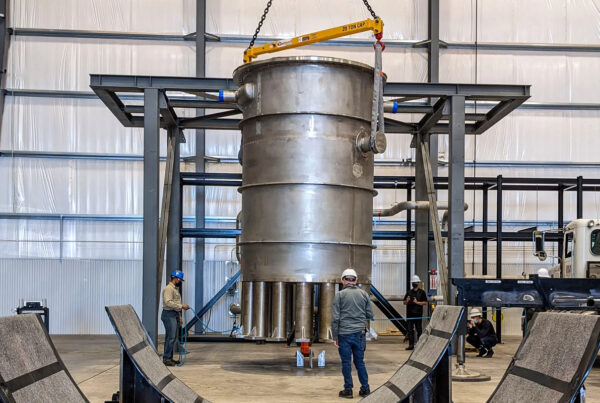
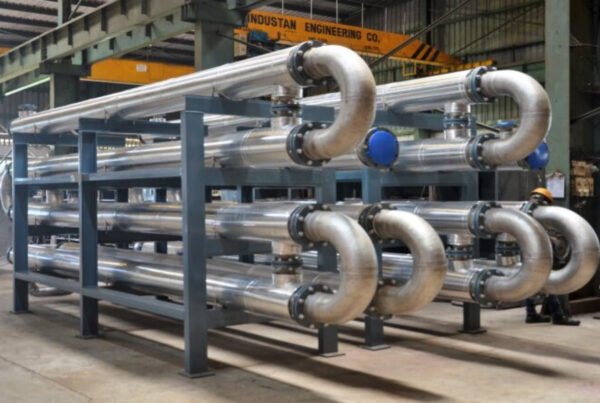
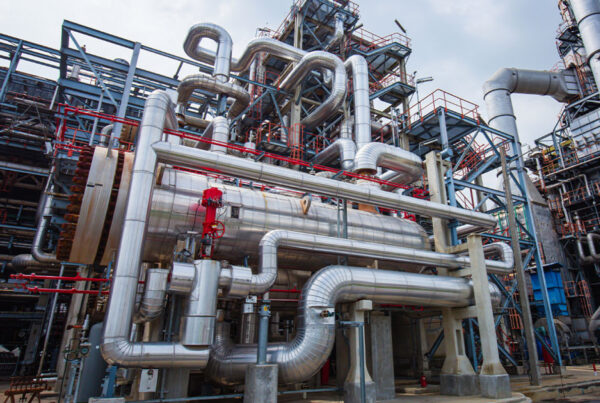
With the right infrastructure, companies can produce complex industrial equipment such as pressure vessels, heat exchangers, tanks, reactors, and structural components.
Role of Skilled Workforce in Infrastructure
Infrastructure is not only about machines and buildings; skilled professionals are equally important.
Experienced engineers, technicians, and fabrication specialists ensure that production processes run efficiently and meet quality standards.
A trained workforce improves manufacturing accuracy, reduces production errors, and ensures that projects are completed on time.
Continuous training and skill development help maintain high performance in engineering operations.
Technology and Innovation in Modern Infrastructure
Technological advancements are transforming the way industrial infrastructure operates. Modern facilities use advanced technologies to improve efficiency and product quality.
Examples include:
Computer-aided design (CAD) systems
Automated fabrication equipment
Precision cutting technologies
Digital inspection tools
Smart manufacturing systems
These technologies enable companies to deliver high-quality products with improved accuracy and efficiency.
Safety and Compliance in Industrial Infrastructure
Safety is a critical aspect of any industrial facility. Proper safety systems and procedures help protect workers, equipment, and materials during manufacturing operations.
Important safety practices include:
Proper equipment maintenance
Protective safety gear for workers
Safe material handling procedures
Regular safety inspections
Compliance with industrial safety standards ensures safe working conditions and reliable manufacturing processes.
Advantages of Advanced Industrial Infrastructure
Companies with advanced infrastructure gain several competitive advantages.
Higher production capacity
Improved manufacturing precision
Better product quality
Faster project delivery
Ability to handle complex industrial projects
These advantages help companies build strong relationships with clients and maintain long-term business growth.
Future of Industrial Infrastructure
The future of industrial infrastructure is driven by innovation, automation, and digital technologies. Smart factories and advanced manufacturing systems are improving productivity and efficiency.
Emerging trends include:
Automated production systems
Advanced robotics in manufacturing
Smart monitoring and inspection systems
Sustainable and energy-efficient production facilities
These developments will continue to improve manufacturing capabilities and support industrial growth.
Conclusion
Industrial infrastructure is the backbone of any successful engineering and fabrication company. Strong facilities, modern equipment, skilled professionals, and advanced technologies work together to ensure efficient manufacturing and high-quality product delivery.
Companies that invest in strong infrastructure are better positioned to meet industry demands, handle complex projects, and deliver reliable engineering solutions.
A well-developed infrastructure not only improves productivity but also ensures long-term operational success in the competitive industrial sector.
Looking for Reliable Engineering and Fabrication Solutions?
If you are looking for a company with strong manufacturing capabilities and advanced infrastructure, Vertex Hi-Fab Engineering provides high-quality engineering and fabrication solutions designed to meet modern industrial requirements.
Our well-equipped facility, skilled professionals, and advanced manufacturing processes allow us to deliver reliable industrial products with precision and efficiency.
To learn more about our capabilities and services, visit our Infrastructure page.