
Introduction to Industrial Reactors
Industrial reactors play a crucial role in modern manufacturing and chemical processing industries. These specialized vessels are designed to carry out controlled chemical reactions under specific conditions such as temperature, pressure, and mixing speed. Reactors are widely used in industries like chemicals, pharmaceuticals, petrochemicals, food processing, and energy production.
The efficiency and safety of many industrial processes depend on the quality and design of the reactor being used. A well-engineered reactor allows chemical reactions to occur efficiently while maintaining stable operating conditions. Because these systems often operate under high pressure and temperature, reactors must be carefully designed and manufactured using high-quality materials and strict engineering standards.
Engineering companies that specialize in fabrication and industrial equipment manufacturing provide customized reactor solutions that meet the specific needs of different industries. These reactors are designed to ensure safety, efficiency, and reliable performance throughout their operational life.
What is an Industrial Reactor?
An industrial reactor is a closed vessel used to carry out chemical reactions in a controlled environment. Inside the reactor, different chemical substances are mixed together and allowed to react under controlled pressure, temperature, and agitation.
The main purpose of a reactor is to convert raw materials into useful products through chemical reactions. The design of the reactor ensures that the reaction occurs efficiently while maintaining safety and stability.
Industrial reactors can vary significantly in size and complexity. Some reactors are small laboratory systems used for research and development, while others are large-scale industrial reactors used in chemical manufacturing plants.
Reactors are designed to handle various operating conditions including high pressure, high temperature, corrosive chemicals, and continuous production processes.
Importance of Industrial Reactors
Reactors are one of the most important pieces of equipment in process industries. They provide the controlled environment necessary for chemical reactions to take place efficiently.
A properly designed reactor offers several benefits:
• Efficient chemical conversion
• Safe handling of reactive materials
• Controlled temperature and pressure
• Consistent product quality
• Improved production efficiency
Without properly designed reactors, many industrial processes would not be possible or would become unsafe.
Types of Industrial Reactors
Different types of reactors are used depending on the nature of the chemical reaction and production requirements.
Batch Reactors
Batch reactors are one of the most common types of reactors used in chemical and pharmaceutical industries. In this type of reactor, all reactants are loaded into the vessel, the reaction takes place, and the final product is removed once the process is complete.
Batch reactors are ideal for small production volumes and processes that require precise control.
Continuous Stirred Tank Reactors (CSTR)
Continuous stirred tank reactors allow continuous feeding of reactants while the product is continuously removed from the reactor. A mechanical agitator keeps the mixture well mixed to maintain uniform reaction conditions.
These reactors are widely used in large-scale chemical manufacturing processes.
Plug Flow Reactors
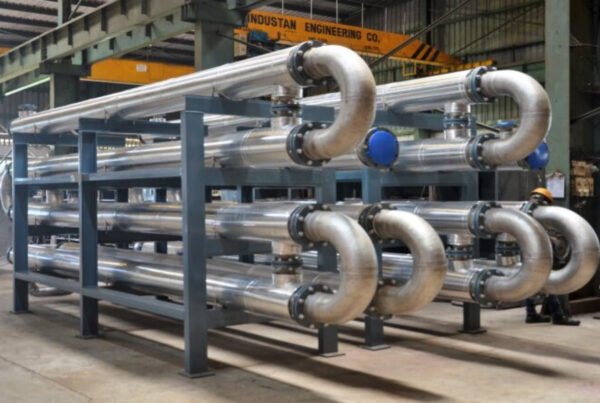
Plug flow reactors are designed so that the chemical reaction occurs as materials flow through a pipe or tubular vessel. The reactants move in one direction and the reaction occurs progressively along the reactor length.
These reactors are commonly used in petrochemical and refinery industries.
Fixed Bed Reactors
Fixed bed reactors contain a packed bed of catalyst material that promotes chemical reactions. Reactants flow through the catalyst bed and the reaction occurs as the chemicals pass through.
These reactors are commonly used in catalytic chemical processes.
Components of an Industrial Reactor
Industrial reactors consist of several important components that ensure safe and efficient operation.
Reactor Vessel
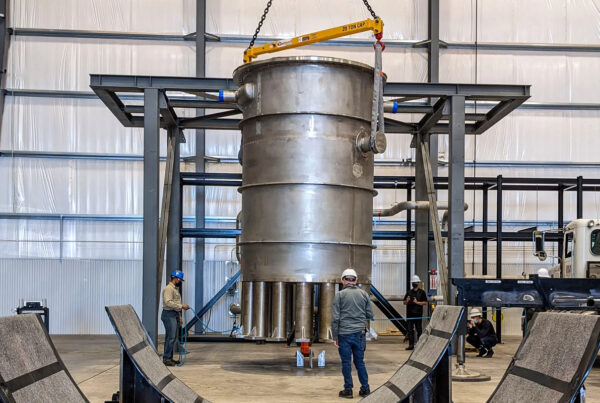
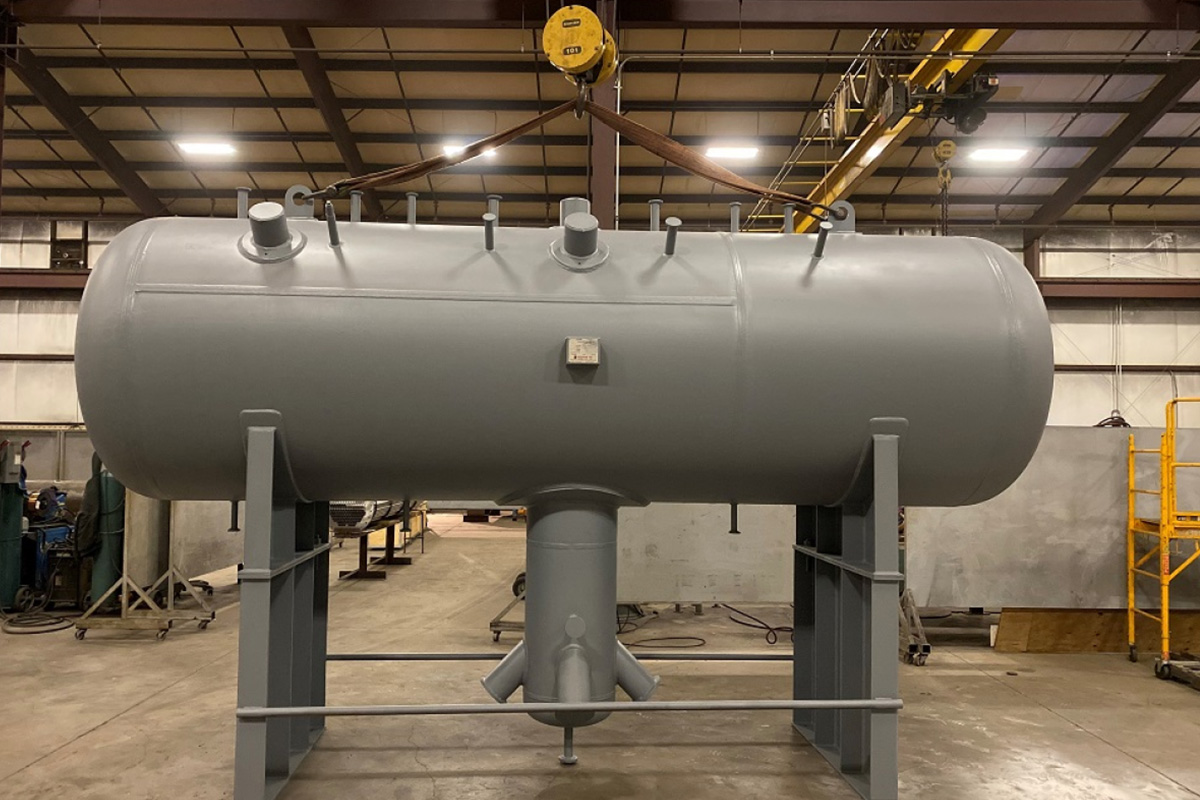
The vessel is the main container where the chemical reaction occurs. It must be strong enough to handle pressure, temperature, and chemical exposure.
Agitator or Mixing System
Agitators help mix the reactants uniformly to ensure proper chemical reaction and heat transfer.
Heating and Cooling Systems
Many chemical reactions require controlled temperature conditions. Heating jackets or cooling coils are used to maintain the desired temperature.
Pressure Control Systems
Pressure control systems ensure that the reactor operates safely under the required pressure conditions.
Instrumentation and Monitoring Systems
Modern reactors are equipped with sensors and monitoring systems that track temperature, pressure, and reaction progress.
Materials Used in Reactor Manufacturing
The materials used in reactor construction depend on the type of chemicals involved and operating conditions.
Stainless Steel
Stainless steel is widely used because of its corrosion resistance and strength.
Carbon Steel
Carbon steel is commonly used for reactors operating under moderate pressure and temperature conditions.
Alloy Steel
Alloy steel reactors are used in high-temperature and high-pressure environments.
Glass-Lined Reactors
Glass-lined reactors are used in chemical processes where corrosion resistance is critical.
Selecting the correct material ensures durability, safety, and long operational life.
Reactor Manufacturing Process
The manufacturing of industrial reactors involves several critical steps to ensure structural strength and operational reliability.
Engineering Design
Engineers design the reactor according to process requirements, operating conditions, and safety standards.
Material Preparation
High-quality steel plates and components are selected and prepared for fabrication.
Plate Forming and Rolling
Steel plates are rolled into cylindrical shapes to form the reactor shell.
Welding and Assembly
Specialized welding processes are used to join different components of the reactor.
Heat Treatment
Heat treatment processes improve the strength and durability of the reactor.
Quality Inspection
Various inspection techniques are used to ensure that the reactor meets engineering standards and safety requirements.
Applications of Industrial Reactors
Industrial reactors are used in a wide range of industries for different chemical processes.
Chemical Industry
Reactors are used for chemical synthesis, polymer production, and reaction processes.
Pharmaceutical Industry
Reactors help produce medicines, active pharmaceutical ingredients, and chemical compounds.
Petrochemical Industry
Petrochemical plants use reactors for refining crude oil and producing chemical products.
Food Processing Industry
Certain food processing operations such as fermentation and pasteurization use reactor systems.
Energy and Environmental Industry
Reactors are also used in energy generation and environmental treatment processes.
Benefits of High-Quality Industrial Reactors
High-quality reactors offer several advantages for industrial operations:
Improved process efficiency
Better control over chemical reactions
Enhanced product quality
Higher operational safety
Longer equipment life
Investing in high-quality reactors improves productivity and reduces operational risks.
Safety Considerations for Reactor Operation
Because reactors handle chemical reactions under controlled conditions, safety is extremely important.
Important safety measures include:
• Pressure relief systems
• Temperature monitoring
• Emergency shutdown systems
• Regular inspection and maintenance
Following proper safety standards ensures reliable reactor performance and protects industrial facilities.
Future Developments in Reactor Technology
Modern industries are constantly improving reactor technology to enhance efficiency and safety.
Advancements include:
• Advanced materials with higher corrosion resistance
• Automated monitoring systems
• Energy-efficient reactor designs
• Smart sensors for predictive maintenance
These innovations help industries improve production efficiency and reduce operational costs.
Conclusion
Industrial reactors are essential equipment used in many manufacturing and chemical processing industries. They provide the controlled environment necessary for chemical reactions to occur efficiently and safely.
Proper reactor design, high-quality materials, and strict manufacturing standards ensure reliable performance and long equipment life. As industries continue to evolve, advanced reactor technologies will play an increasingly important role in improving productivity and operational efficiency.
Looking for High-Quality Industrial Reactors?
If you are searching for reliable and professionally manufactured industrial reactors, Vertex Hi-Fab Engineering provides high-quality fabrication and engineering solutions designed to meet modern industrial requirements.
Our reactors are manufactured using high-grade materials, advanced fabrication processes, and strict quality inspection procedures to ensure durability, safety, and efficient performance.
To learn more about specifications and applications, visit our Reactor product page.