
Introduction to Pressure Vessels
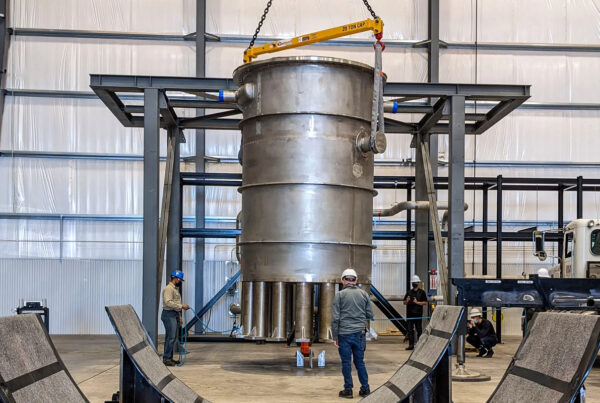
Pressure vessels are one of the most critical components used in modern industrial systems. They are specially designed containers used to store gases or liquids at pressures significantly different from the surrounding environment. These vessels play an essential role in industries such as oil and gas, chemical processing, power plants, food processing, pharmaceuticals, and manufacturing.
Because they operate under high pressure conditions, pressure vessels must be designed and manufactured with extreme precision, high-quality materials, and strict safety standards. Failure of a pressure vessel can result in serious safety hazards, which is why international design codes and quality inspection standards are followed during manufacturing.
Companies specializing in industrial fabrication and engineering services manufacture pressure vessels with advanced engineering techniques and strict quality control procedures to ensure safety, durability, and performance.
What is a Pressure Vessel?
A pressure vessel is a closed container designed to hold gases or liquids at a pressure that is different from the ambient pressure. These vessels are designed to safely contain high-pressure substances without leakage or structural failure.
Pressure vessels are widely used for storing and processing fluids, steam, compressed gases, and chemical substances. They are built using strong materials such as carbon steel, stainless steel, or alloy steel to withstand internal pressure and environmental conditions.
Pressure vessels can vary in size and design depending on industrial requirements. Some are small tanks used in manufacturing processes, while others are massive storage units used in refineries and power plants.
Types of Pressure Vessels
Different industries require different types of pressure vessels depending on their operating conditions and applications.
Storage Pressure Vessels
These vessels are designed to store gases or liquids under pressure for long periods. Examples include compressed gas cylinders and industrial storage tanks.
Heat Exchanger Pressure Vessels
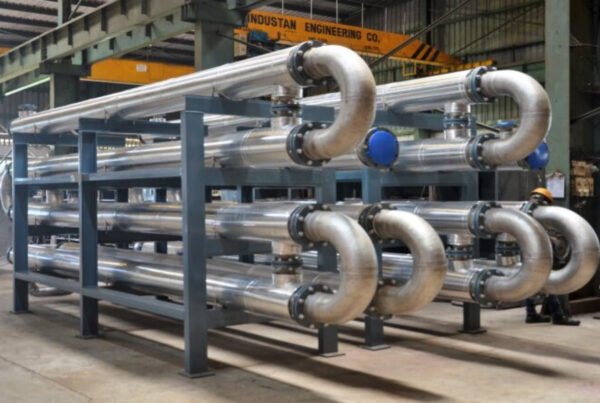
Heat exchangers are pressure vessels designed to transfer heat between two fluids while keeping them separated. These vessels are commonly used in power plants and chemical processing industries.
Process Pressure Vessels
Process vessels are used in chemical and pharmaceutical industries where chemical reactions or mixing processes occur under pressure.
Boiler Pressure Vessels
Boilers generate steam by heating water under pressure. These vessels are essential in power generation and manufacturing facilities.
Materials Used in Pressure Vessel Manufacturing
The materials used in pressure vessel construction must be strong, durable, and resistant to corrosion and high temperatures.
Carbon Steel
Carbon steel is commonly used because it offers excellent strength and durability at an affordable cost.
Stainless Steel
Stainless steel provides superior corrosion resistance and is commonly used in chemical, food processing, and pharmaceutical industries.
Alloy Steel
Alloy steel is used for pressure vessels operating under extreme temperatures and pressures.
Composite Materials
Advanced industries sometimes use composite materials for lightweight pressure vessels with high strength.
Pressure Vessel Design Principles
Designing a pressure vessel involves careful engineering calculations and strict adherence to international standards.
Important design factors include:
• Operating pressure
• Temperature conditions
• Material strength
• Corrosion allowance
• Welding quality
• Safety factors
Engineers use advanced design software and structural analysis tools to ensure that pressure vessels can safely withstand internal and external forces.
Pressure Vessel Manufacturing Process
Manufacturing pressure vessels involves multiple stages to ensure structural integrity and performance.
Material Selection
The process begins with selecting the appropriate material based on pressure rating, temperature, and industry application.
Plate Cutting and Forming
Metal plates are cut and rolled into cylindrical or spherical shapes depending on vessel design.
Welding and Assembly
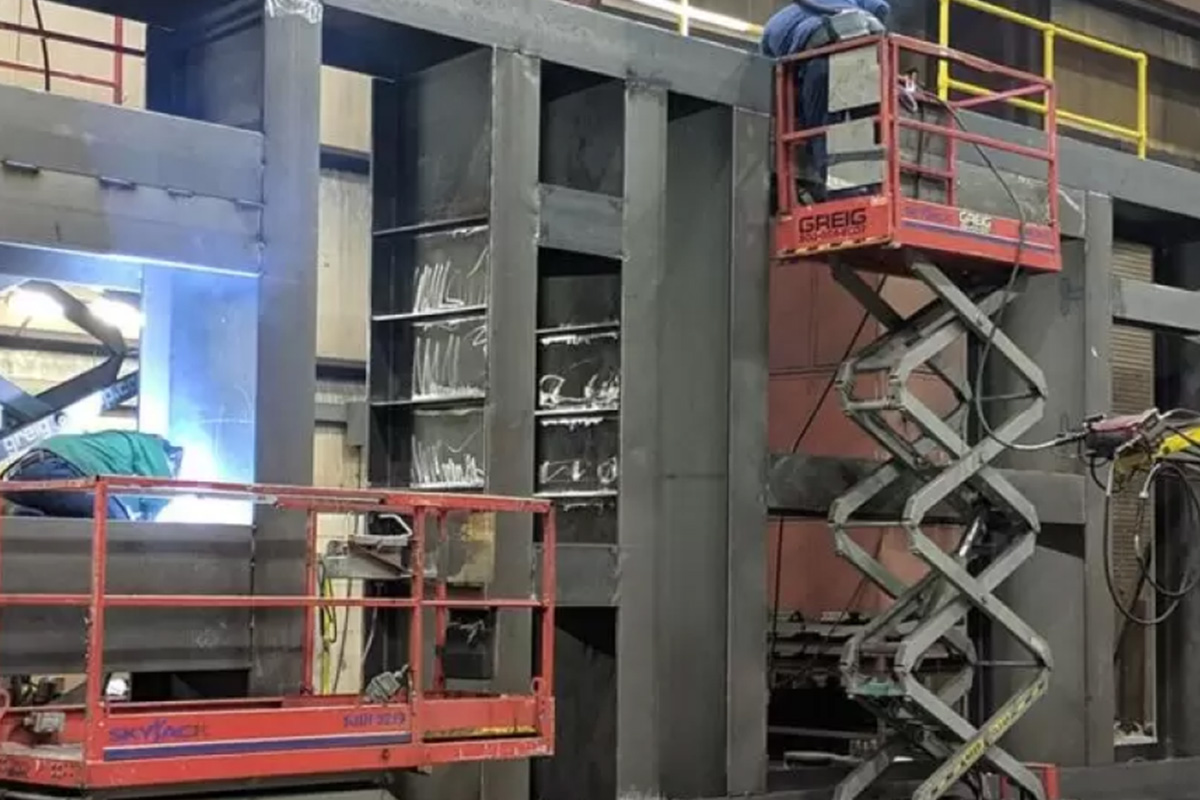
Specialized welding techniques are used to assemble the vessel components. Welding quality is critical for pressure vessel safety.
Heat Treatment
Heat treatment processes improve the mechanical strength and stress resistance of the vessel.
Inspection and Testing
Every pressure vessel undergoes strict inspection procedures such as:
• Hydrostatic testing
• Radiographic testing
• Ultrasonic testing
• Pressure testing
These tests ensure that the vessel meets safety and quality standards.
Pressure Vessel Safety Standards and Codes
To ensure safety and reliability, pressure vessels must comply with international engineering codes and regulations.
Common standards include:
ASME Boiler and Pressure Vessel Code (BPVC)
API Standards
ISO Engineering Standards
These standards define design rules, material specifications, welding procedures, and inspection requirements.
Applications of Pressure Vessels in Different Industries
Pressure vessels are used in a wide variety of industries due to their ability to safely contain high-pressure substances.
Oil and Gas Industry
Used for gas storage, refining processes, and transportation of pressurized fluids.
Chemical Industry
Used in chemical reactions, mixing processes, and material storage.
Power Generation
Boilers and steam drums are examples of pressure vessels used in power plants.
Pharmaceutical Industry
Used in sterilization, chemical processing, and controlled pressure environments.
Food and Beverage Industry
Used for pasteurization, carbonation, and food processing systems.
Advantages of High Quality Pressure Vessels
Using properly engineered pressure vessels offers several advantages:
Improved industrial safety
Efficient storage of gases and liquids
Reliable performance under high pressure
Long operational life
Compliance with industrial safety regulations
Well-manufactured pressure vessels improve productivity and reduce operational risks in industrial facilities.
Importance of Quality Inspection
Quality inspection is essential to ensure that pressure vessels operate safely throughout their lifespan. Inspection helps detect defects such as cracks, corrosion, or welding issues before they become dangerous.
Common inspection techniques include:
Non-destructive testing
Ultrasonic testing
Magnetic particle inspection
Visual inspection
Regular inspection and maintenance significantly extend the service life of pressure vessels.
Maintenance of Pressure Vessels
Proper maintenance is necessary to ensure long-term performance and safety.
Maintenance activities include:
Regular inspection
Corrosion monitoring
Pressure testing
Valve and safety device checks
Preventive maintenance reduces downtime and improves operational reliability.
Future of Pressure Vessel Technology
Advancements in engineering and materials are improving pressure vessel technology. New design methods, stronger materials, and improved manufacturing processes are making pressure vessels safer and more efficient.
Automation, digital monitoring systems, and predictive maintenance technologies are also improving pressure vessel safety and performance in modern industries.
Conclusion
Pressure vessels are essential equipment used across multiple industries for storing and processing gases and liquids under high pressure. Their design, manufacturing, and maintenance require advanced engineering knowledge and strict adherence to safety standards.
High-quality pressure vessels ensure safe operations, improved productivity, and reliable performance in industrial processes. By using proper materials, advanced fabrication techniques, and rigorous inspection procedures, engineering companies can deliver pressure vessels that meet the demanding needs of modern industries.
Need a Reliable Pressure Vessel for Your Industrial Application?
If you are searching for high-quality pressure vessels designed for safety, durability, and performance, Vertex Hi-Fab Engineering provides professional fabrication and engineering solutions tailored to industrial requirements.
Our pressure vessels are manufactured using high-grade materials and advanced fabrication processes to ensure reliable performance in demanding industrial environments. Every vessel is built with strict quality control and engineering standards to meet the needs of modern industries.
Whether you require a custom-designed pressure vessel or a standard industrial model, our experienced engineering team is ready to assist you with the right solution.
To learn more about specifications, applications, and fabrication details, visit our Pressure Vessel product page.